Huawei Launches HarmonyOS NEXT, Fully Cutting Android Ties
Huawei Goes Fully Independent
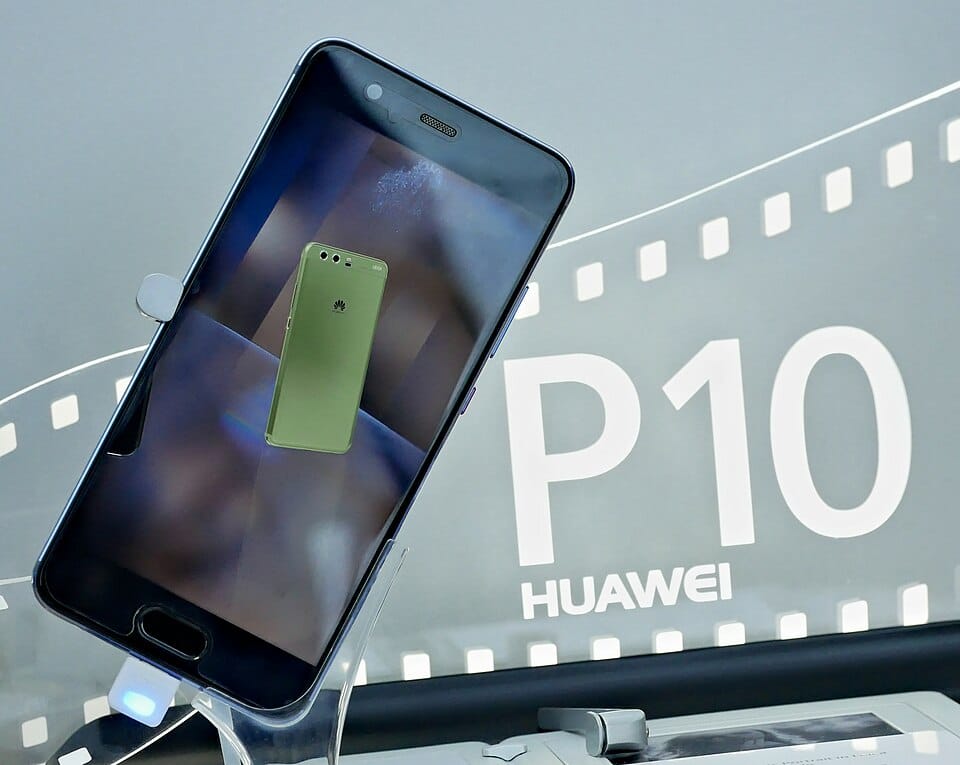
Huawei has begun rolling out HarmonyOS NEXT to flagship devices, completing the company's long-planned departure from the Android ecosystem. Unlike previous HarmonyOS versions, which maintained an Android compatibility layer allowing users to sideload APK files, HarmonyOS NEXT is built from a completely independent microkernel architecture and cannot run Android applications.
Richard Yu, head of Huawei's consumer business group, announced the rollout at a launch event in Shenzhen. "HarmonyOS NEXT represents the first truly new mobile operating system in over a decade," Yu said. "We have built something that is not a fork, not a derivative, but a fundamentally new platform."
App Ecosystem Progress
The critical question for any new OS is app availability. Huawei says over 15,000 native HarmonyOS NEXT applications are available at launch, including Chinese super-apps WeChat, Alipay, Douyin (TikTok's Chinese version), Meituan, and JD.com. International apps like WhatsApp, Instagram, and YouTube are not available.
Huawei has invested heavily in developer relations, offering financial incentives and technical support to encourage migration. The company claims over 6 million registered developers on its HarmonyOS platform, with native app submissions growing 300% in the past six months.
Technical Architecture
HarmonyOS NEXT uses a microkernel design that Huawei says offers better security isolation than Linux-based systems. The OS supports distributed computing across devices — a phone, tablet, laptop, and smart home devices can share resources seamlessly. The system requires approximately 30% less memory than Android for equivalent tasks, according to Huawei's benchmarks.
Performance testing by Chinese tech publication Zhongguancun Online showed the Mate 70 Pro running HarmonyOS NEXT achieved 15% faster app launch times and 20% better sustained gaming performance compared to the same hardware running the previous HarmonyOS version.
Strategic Implications
The move is driven by necessity. US sanctions imposed in 2019 cut Huawei off from Google Mobile Services and the Play Store. Building a proprietary OS eliminates dependence on any US technology in the software stack.
Outside China, HarmonyOS NEXT adoption will likely remain limited without major international apps. But within China, where Huawei holds approximately 15% smartphone market share, the transition could succeed if the domestic app ecosystem reaches critical mass. Counterpoint Research analyst Ivan Lam said Huawei is "essentially creating a third mobile ecosystem — something Microsoft, Samsung, and Amazon all tried and failed to do."