Japan's Smartphone Act Opens iPhone App Stores, but Developers Accuse Apple and Google
Japan's Mobile Software Competition Act took full effect on 18 December 2025. Apple's new iOS terms are in place, but developer groups now accuse Apple and Google of violations.

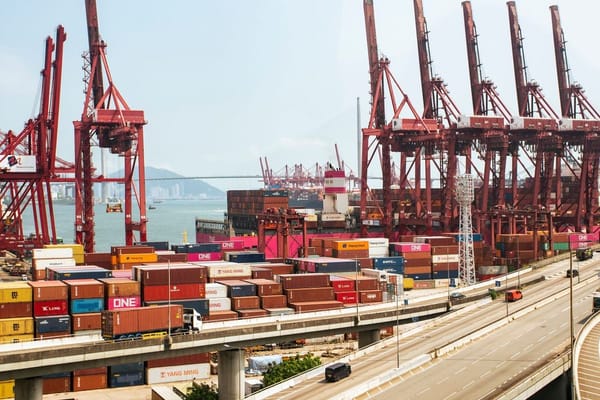
World Bank Lifts East Asia Growth Forecast to 4.5% on AI Hardware Exports, Warns of Spending Reversal
The World Bank raised its 2026 growth forecast for East Asia and the Pacific to 4.5% on AI hardware exports, but warned that a reversal in global AI spending would hit the region hardest.

Huawei Prices Mate 90 Pro Max 2,000 Yuan Higher as Memory Costs and Chip Limits Squeeze Flagship Margins
Huawei launched the Mate 90 series on Oct. 1 with the Pro Max at 9,999 yuan, 2,000 yuan above its predecessor, as memory costs rise and advanced chip capacity stays tight.

Foxconn's AI Server Surge Points to Stronger Third Quarter as Sharp Launches Japan Orders
Foxconn expects third-quarter results to beat forecasts on record AI server demand, while Sharp begins taking domestic orders in Japan for AI servers built through its parent's supply chain.

South Korea's AI Basic Act Enforcement Deadline Forces Samsung, Naver and Kakao Into Compliance Sprint

China's Open-Weight AI Models Gain Ground in Global Enterprise Adoption as Alibaba's Qwen and DeepSeek Challenge US Dominance
Chinese open-weight AI models from Alibaba's Qwen and DeepSeek are winning over enterprise buyers worldwide, even as US chip export controls limit the hardware their labs can access.
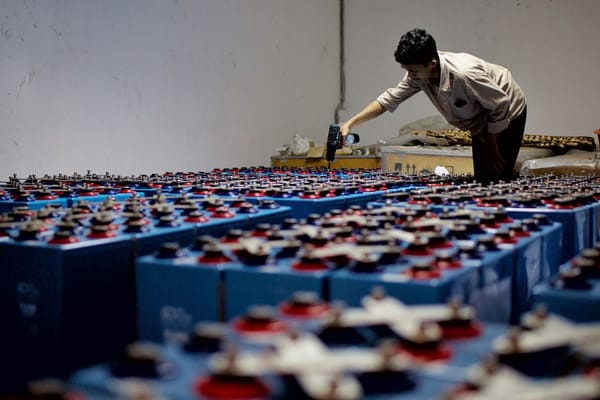
China Exempts Solid-State EV Batteries From New Battery Tax as Automakers Race to Market
A new Chinese tax policy exempts solid-state EV batteries through 2028, arriving just as Dongfeng, GAC-backed Greater Bay Technology and Changan push toward 2026 pilot launches.
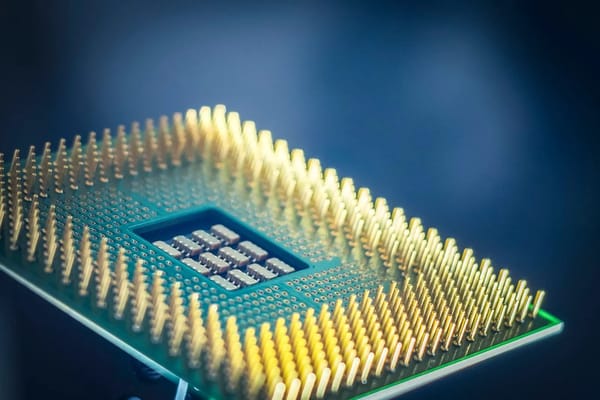
Qualcomm Recruits Samsung and SK Hynix as DRAM Partners for HBC Chip Architecture
Qualcomm is working with Samsung Electronics and SK hynix to commercialize its High-Bandwidth Compute memory architecture, with TSMC expected to handle advanced packaging.
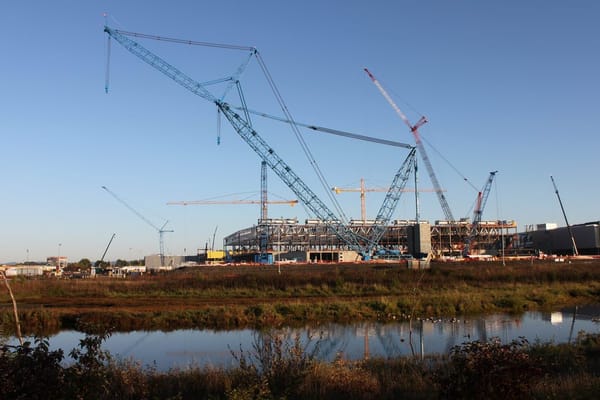
SK Hynix Breaks Ground on First US HBM Plant in $4 Billion Indiana Bet
SK Hynix broke ground on a $4 billion HBM packaging plant in Indiana on August 27 — its first US production base, with mass production of next-gen HBM4E memory targeted for 2029.
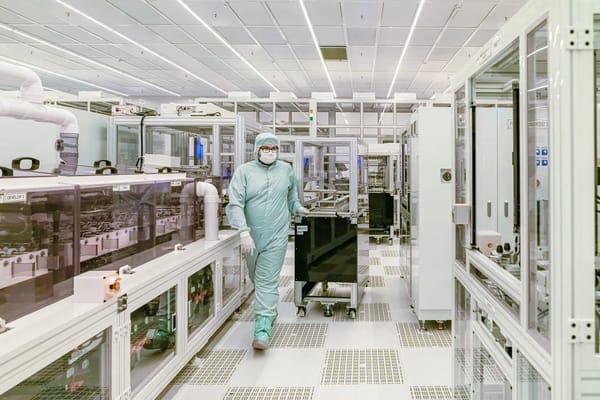
Samsung Foundry Raises Advanced-Node Chip Prices by Up to 15% as AI Demand Outstrips Capacity
Samsung Foundry has raised prices by up to 15% on new orders for its 4nm, 5nm and 8nm processes, as AI-driven demand fills its Pyeongtaek fab and gives Samsung new leverage against TSMC.
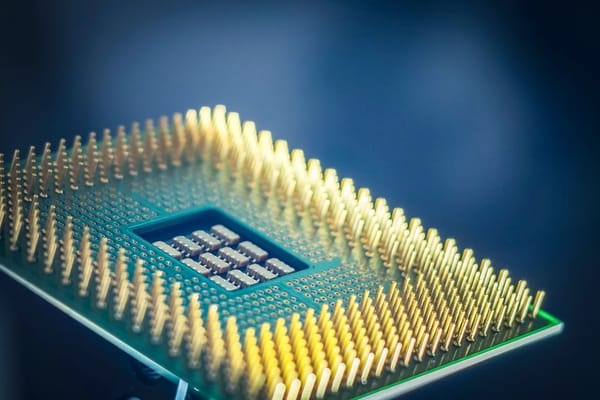
TSMC's 2nm Ramp Accelerates Across Five Fabs as Wafer Output Races Toward 100,000 a Month
TSMC is scaling its N2 process across five fabs in Hsinchu and Kaohsiung, with monthly wafer starts set to approach 100,000 by the end of 2026.
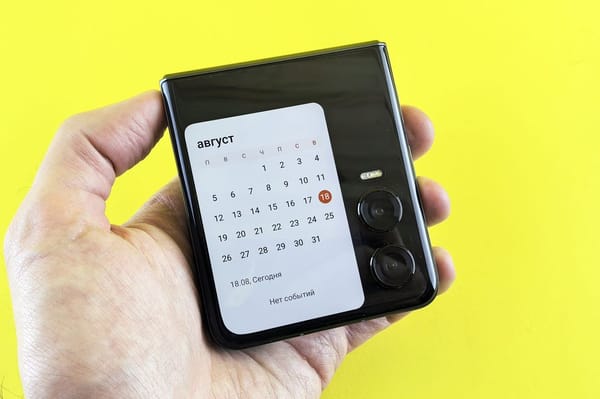
BOE and Visionox Narrow Samsung's Foldable OLED Lead as Sub-20-Micron Glass Reaches Volume Output
China's BOE and Visionox have pushed ultra-thin cover glass below 20 microns into volume manufacturing, closing a durability and crease gap that has kept Samsung Display in control of the foldable panel market since 2019.
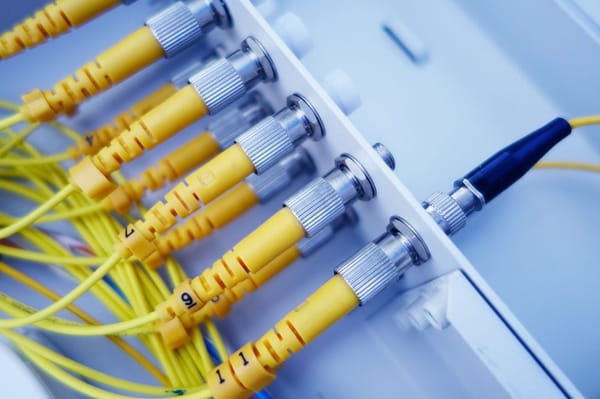
Co-Packaged Optics Moves From Lab to Line as TSMC and Japan's Fiber Makers Chase AI Data Center Demand
TSMC is pushing its COUPE co-packaged optics platform toward volume production, with Broadcom's switches and Japan's optical component makers scaling in parallel to meet AI data centers' bandwidth and power limits.
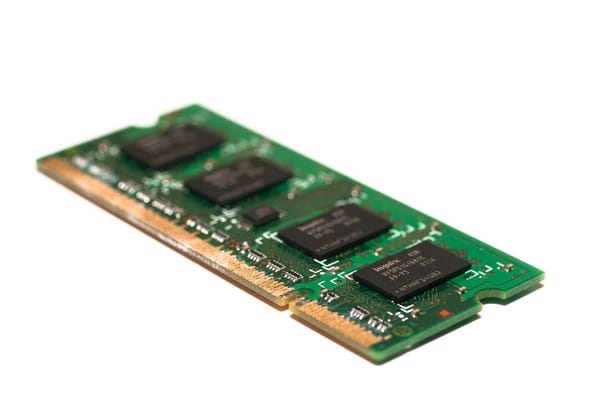
Kioxia Raises NAND Flash Prices as AI Data Center Demand Strains Supply
Kioxia has raised NAND flash memory prices for the second time in 2026, pointing to sustained AI data center demand for storage capacity. The move follows similar price hikes from SK Hynix and Samsung Electronics.
Sony and TSMC Plan $6.3 Billion Kumamoto Venture to Mass-Produce Next-Generation Image Sensors
Sony Semiconductor Solutions and TSMC are preparing a roughly $6.3 billion joint venture in Kumamoto, Japan, to mass-produce next-generation image sensors starting in 2029, with an early focus on Apple's iPhone supply chain and a longer-term push into physical AI.
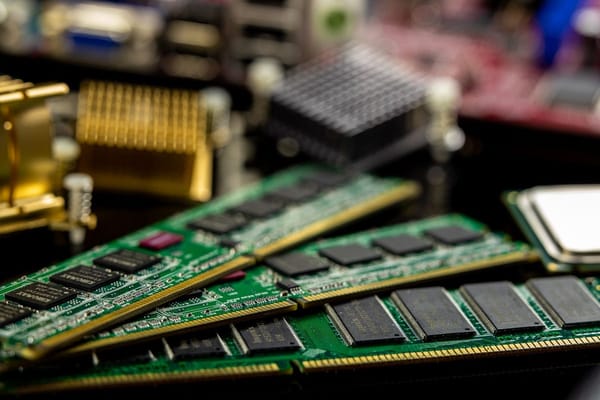
SK Hynix and the HBM4 Race: Why Asia's Memory Makers Are Betting Everything on AI Chip Demand
SK Hynix, Samsung and Micron are racing to mass-produce HBM4, the next-generation memory standard that AI accelerators depend on — a shift reshaping capacity, pricing and strategy across Asia's chip industry.
Rapidus Pushes Toward Risk Production as Japan's 2nm Chip Bet Enters Its Next Phase
Japan's state-backed foundry says its Chitose pilot line is now running full-flow 2nm wafer trials, a make-or-break step before mass production targeted for 2027.
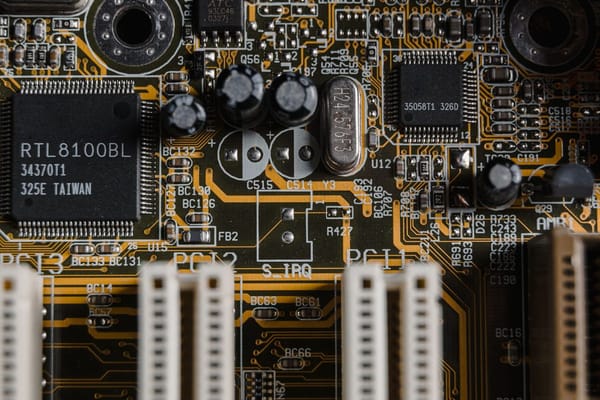
TSMC's Advanced Packaging Lines Become AI Chip Supply's New Bottleneck
TSMC has told investors that packaging capacity, not chip fabrication, is now the tightest constraint on AI accelerator supply, with CoWoS lines booked solid into 2027.
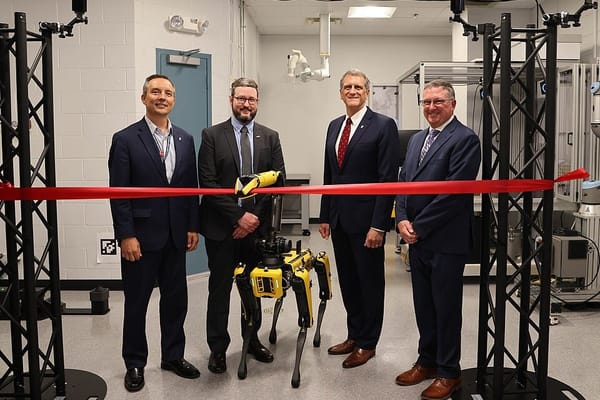
Samsung Creates RX Robotics Office to Fast-Track Humanoid Robots
Samsung Electronics has established a new RX Business Promotion Office reporting directly to co-CEO Roh Tae-moon, consolidating robotics strategy under former Hyundai and Boston Dynamics executive Lee Dong-geun.
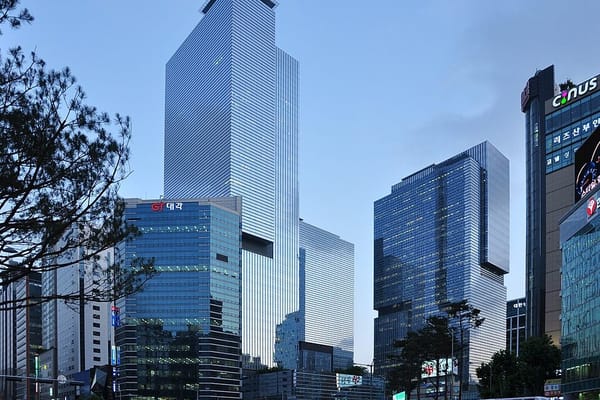
Samsung's Record Profit Meets AI Bubble Fears as Asia's Chipmakers Await the July 30 Earnings Verdict
A 19-fold profit surge sent Samsung shares down, not up, on July 7. Three weeks and one Alphabet earnings call later, the same stock is rallying again — and the July 30 divisional breakdown may decide who was right.

On-Device AI Becomes a Standard Laptop Spec Across East Asia's PC Industry
NPUs clearing Microsoft's 40-TOPS Copilot+ threshold are becoming a default laptop spec across Taiwan, South Korea and China, reshaping assembly lines and memory sourcing.

AI Glasses Are Turning Into East Asia's Next Consumer Electronics Battleground
Chinese, Japanese and Korean electronics makers are chasing the idea Meta proved could sell: glasses with a camera, a microphone and an AI assistant built in. Here's why the hardware is still the hard part.

China's OLED Makers Close In on Korea's Display Duopoly as the Battle Moves to Tablets and Laptops
Chinese panel makers built their scale on budget smartphone screens. Now they are qualifying for foldable phones and the tablet-and-laptop OLED market Korea's display giants have treated as their next stronghold.
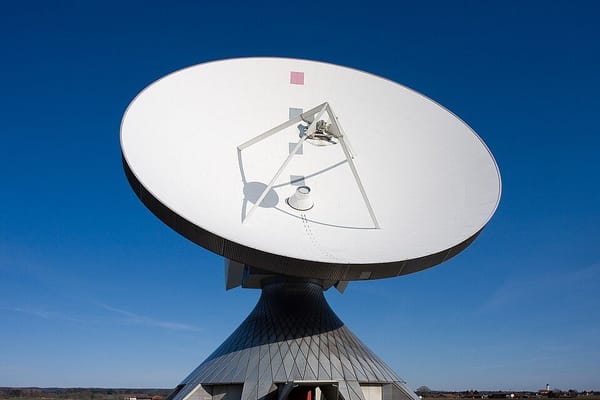
East Asia's 6G Race Splits Three Ways as Japan, Korea and China Chase Different Bets
Japan, South Korea and China are chasing three incompatible visions of 6G in 2026 — optical-core networks, AI-native radio trials, and satellite-terrestrial integration — and equipment makers are starting to worry.
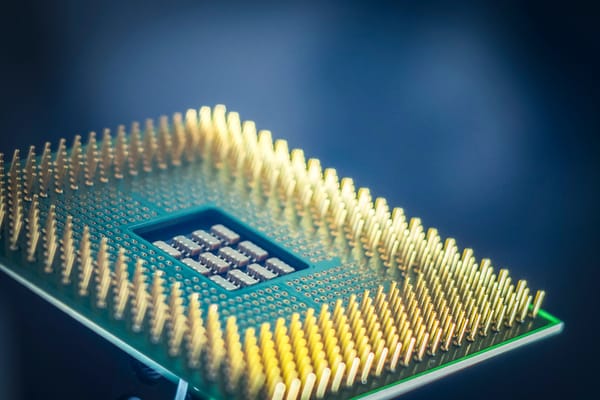
Japan's Rapidus Pulls Forward Second-Generation 2nm Node as State-Backed Foundry Race Heats Up
Japan's state-backed Rapidus has moved 2nm trial production ahead of schedule, betting supply-chain resilience can win customers TSMC and Samsung already lead on cost.
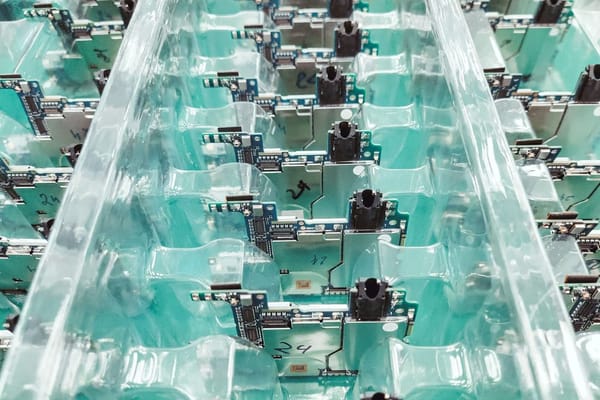
Asia's AI Hardware Suppliers Are Outrunning the Chipmakers on Wall Street's Scoreboard
Component makers behind the AI hardware supply chain outpaced the chipmakers themselves in the first half of 2026, led by a 660% share gain at Samsung Electro-Mechanics.
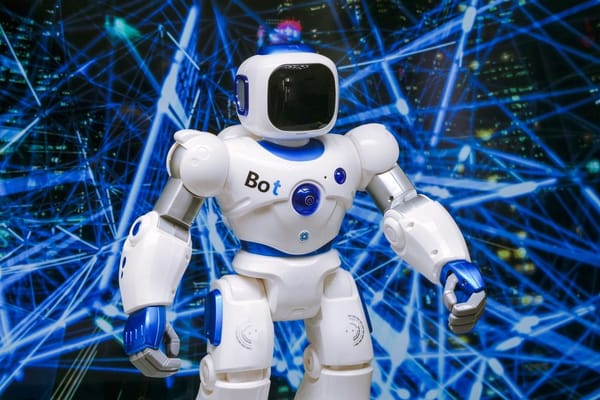
China's Humanoid Robot Makers Push Into Factory Pilots as Korea's Hyundai-Backed Rivals Close In
Chinese and South Korean humanoid robot makers are moving from demonstration units to paid factory pilots in 2026, though battery life and precision-gear supply remain the binding constraint.
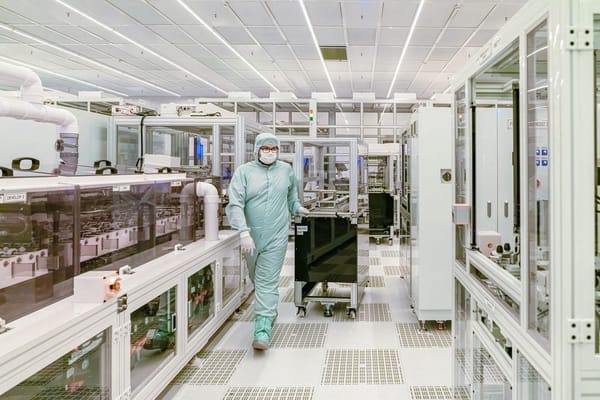
South Korea Commits $10.3 Billion to Physical AI as Chip Exports Push June Shipments Past $100 Billion
South Korea has moved from chip-fab pledges to concrete financing for physical AI, robotics and next-generation batteries as June exports set a new record.

East Asia's AI Data Centre Buildout Strains Regional Power Supply as Operators Race for Capacity
A surge in AI data centre construction across East Asia is colliding with limited grid capacity, pushing operators toward new sites, power deals and efficiency targets to keep up with demand.
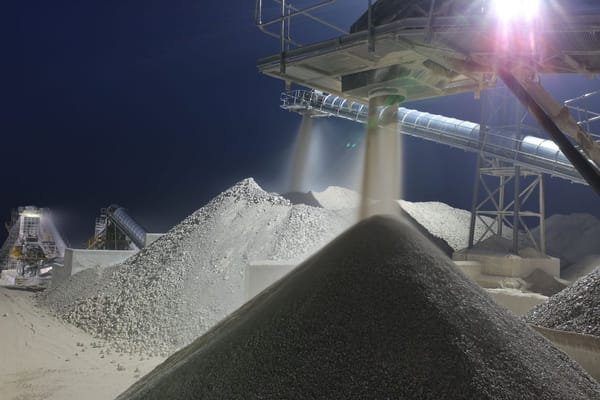
Rare Earths and the Chokepoint East Asia's Tech Industry Can't Ignore
China refines close to 90 percent of the world's rare earths. Here is why processing, not mining, is the chokepoint shaping East Asia's technology supply chain.
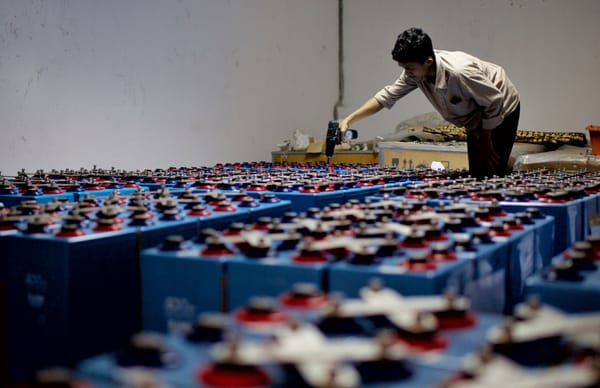
East Asia's Solid-State Battery Race Shifts to Pilot Lines as Toyota and CATL Set 2027 Targets

East Asia's Quantum Push Moves From Lab to Industrial Roadmap in 2026
China and Japan are pouring state funding into quantum computing as 2026 marks a shift from research milestones toward industrial-scale machines and national roadmaps.

China's Robotaxi Operators Widen Driverless Services as Costs Fall
Baidu's Apollo Go, Pony.ai and WeRide expanded driverless ride-hailing to more Chinese cities in mid-June 2026, pushing falling hardware costs toward a profitable scale.
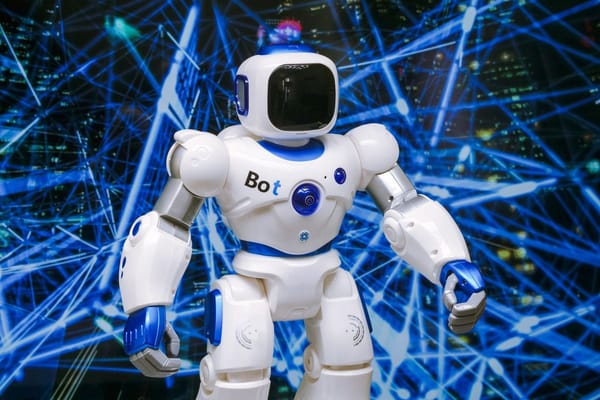
Japan Bets on Factory Humanoids as Fanuc and Toyota Push Robots Onto the Assembly Line
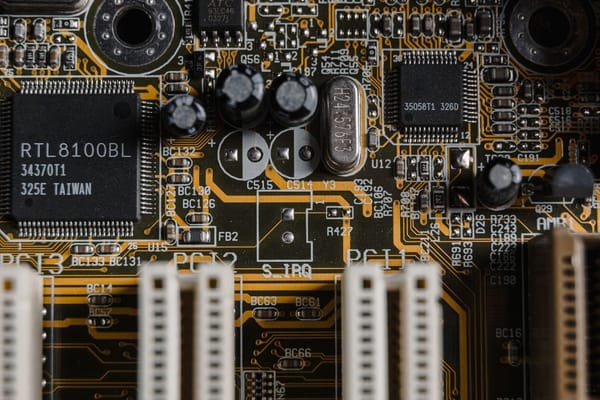
East Asia's RISC-V Push: Why China, Japan and India Are Betting on Open Hardware
Across East and South Asia, RISC-V — an open-source chip instruction set architecture — is moving from research labs into production silicon, with implications that extend well beyond the technology sector.

AI's Power Problem: How Data-Centre Demand Is Straining East Asia's Grids
The constraint on East Asia's AI build-out is shifting from chips to megawatts, as gigawatt-scale data centres hit grids that cannot expand fast enough.

South Korea Approves $23 Billion Support Package for Chip and Battery Makers as Subsidy Race Intensifies
South Korea's cabinet signed off on a 31 trillion won package of tax credits and loans for chip and battery firms, widening state backing for its export champions.
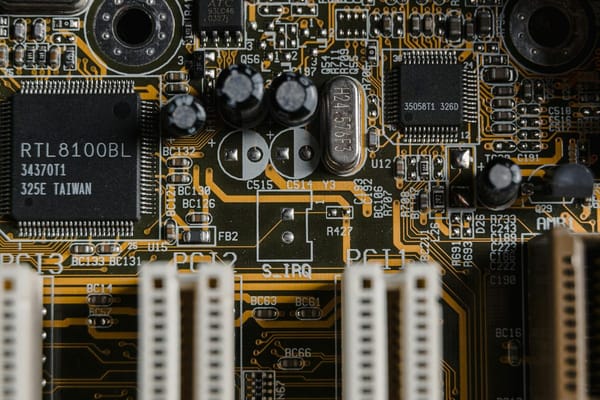
The Real AI Chip Bottleneck Isn't the Node — It's the Packaging

East Asia's Open-Source AI Race: How Alibaba, DeepSeek, and Kakao Are Challenging the Western Model Stack
Chinese, Korean, and Japanese labs have released open-weight AI models competitive with Western frontier systems, reshaping the assumptions behind export controls and giving Asian enterprises a new path to on-premise AI deployment.
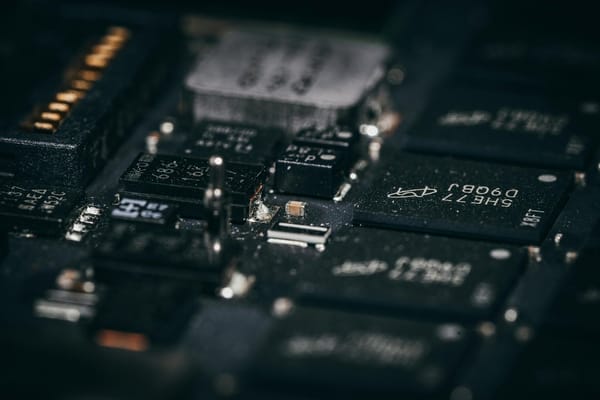
Why HBM memory became the bottleneck of the AI boom — and what it means for Korea and Taiwan
The AI race is often told as a story about chips like GPUs. The quieter constraint is the specialised memory stacked beside them — and East Asia makes almost all of it.
East Asian tech week 24 May 2026: TSMC 2nm hits yield, Samsung HBM4 closes the gap, Xiaomi EV turns profitable
TSMC N2 yields stabilised above commercial threshold, Samsung HBM4 enters Nvidia qualification, Switch 2 hits 24M with China at 16%, Xiaomi EV reports first profit. Five storylines shaping AI infrastructure and consumer tech.
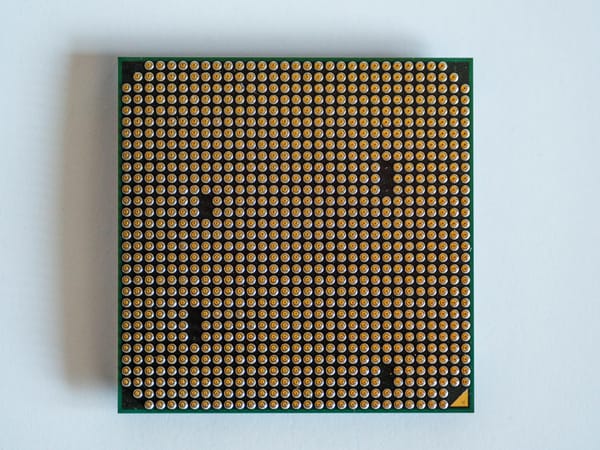
Samsung Begins 1.4nm Pathfinder Run at Pyeongtaek as GAA Yield Crosses 70 Percent
Samsung Foundry began a 1.4nm pathfinder run on May 18, 2026, naming Qualcomm and Tesla as first customers as 2nm GAA yield crossed 70 percent.
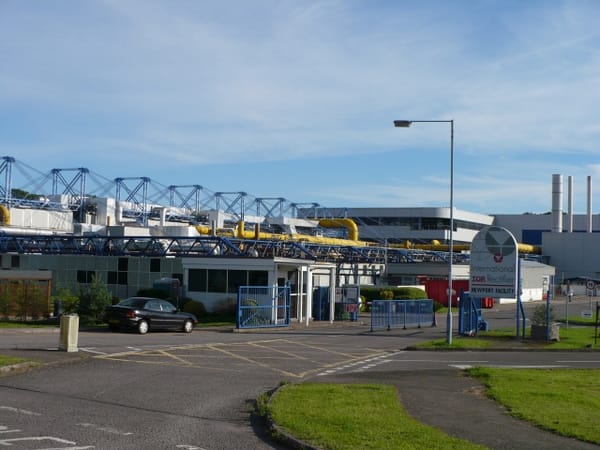
TSMC Arizona Fab 3 Production Ramp Hits 2 nm in May 2026: What It Means for the East Asia Semiconductor Map
TSMC's Arizona Fab 3 hit first volume 2 nm production this week, two quarters ahead of its revised schedule. The Hsinchu HQ is unhappy. The Pentagon is delighted. And Korea is watching with a specific concern that almost nobody has named.
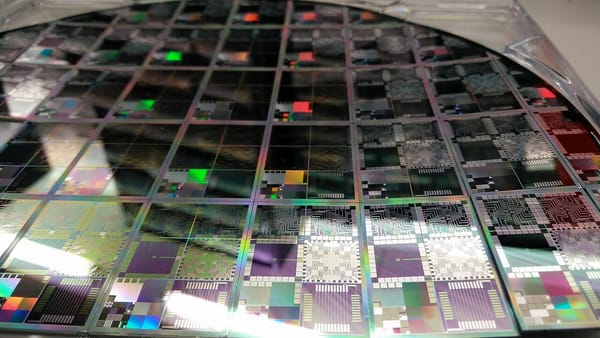
TSMC 2nm Ramp Q2 2026: Why Apple Got First Allocation, the N2P Yield Surprise, and What This Means for the AI GPU Pipeline
TSMC's 2nm node began volume production in late April 2026 with yield numbers that surprised analysts. The first-allocation customer was Apple — not Nvidia. The reasons reveal more about the AI chip pipeline than the public announcements.
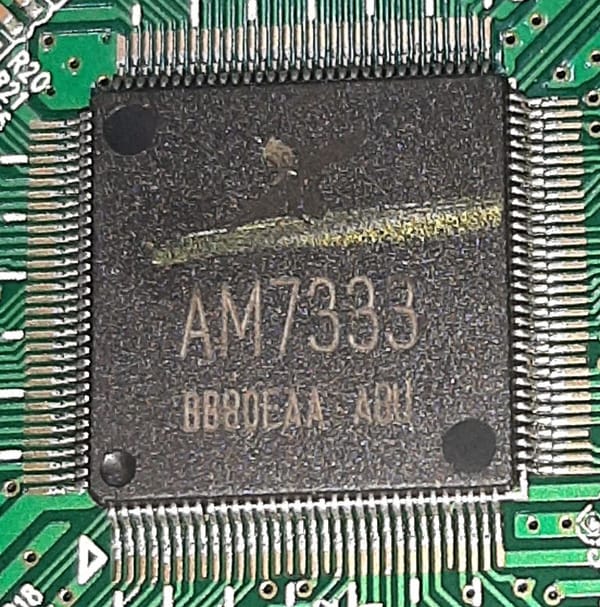
Samsung Foundry Pivots to Single-Customer Lines as SF2 Yield Stalls
Samsung confirmed on May 10 it will dedicate two of five SF2 modules at Pyeongtaek to single customers, breaking from the shared-fab model in response to yield problems and hyperscaler demand.

Rapidus Begins 2nm Risk Production at Hokkaido Fab in Japan's Foundry Bid
Rapidus has begun 2nm risk production at its Hokkaido fab in late April, with IBM-aligned early test data. The METI-backed venture targets commercial volume in 2027 and is courting US AI customers.

BYD Begins Pilot Production of Solid-State Battery at Shenzhen Plant, Sets 2027 Commercial Launch Target
BYD has begun pilot production of solid-state lithium batteries at its Shenzhen technology centre, with first commercial deployment scheduled for the 2027 model year in select premium variants.
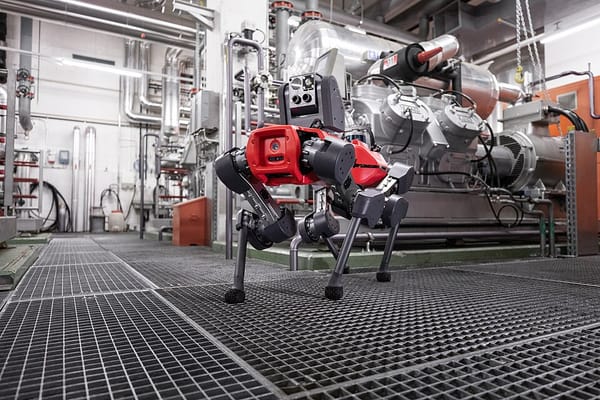
Unitree Begins Mass Production of G2 Humanoid Robot at Hangzhou Plant, Targeting $9,000 Industrial Price Point
China's Unitree Robotics began commercial shipments of its G2 humanoid platform on April 30, with industrial deployments at three Foxconn facilities expected by July.
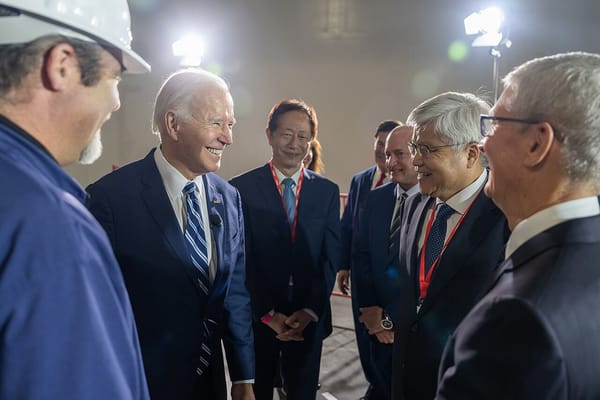
TSMC Confirms N2 Mass Production at Hsinchu Fab With Apple and AMD as First Customers
TSMC's 2nm node has entered volume production in Hsinchu, with Apple and AMD anchoring the first wave of GAA-based silicon shipping in 2026 and 2027.

Sony Unveils IMX9 Stacked Image Sensor with Dual-Layer Pixel Architecture
Sony's IMX9 stacked sensor doubles saturation signal and supports 8K30 with full pixel readout, shipping in Q3.