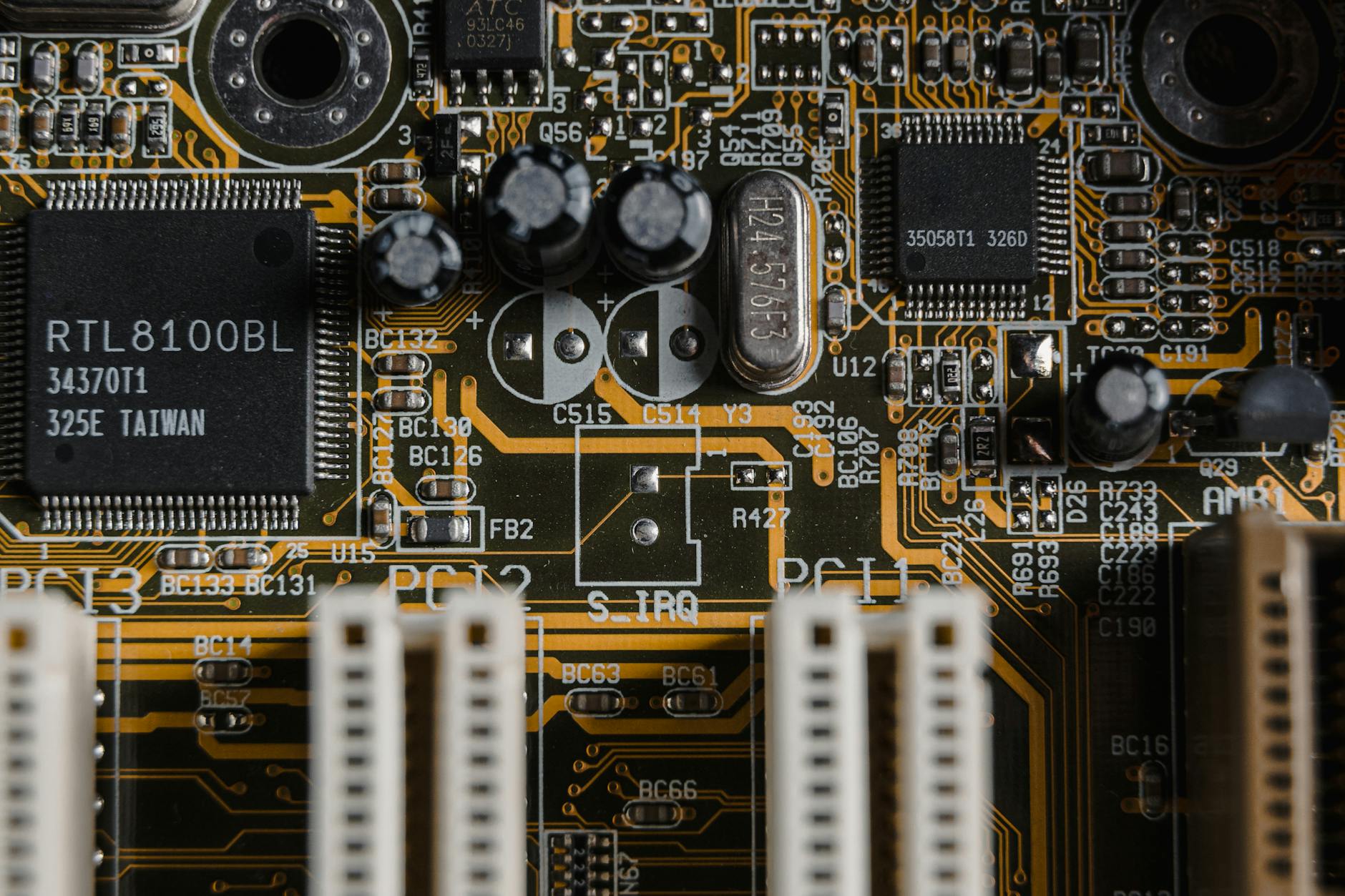
East Asian tech in the third week of May 2026 has produced three storylines whose downstream consequences for global supply chains, AI infrastructure, and consumer electronics will be reverberating into Q3. Here is what was significant in the past five working days, and what it means for buyers, builders, and capital-allocators tracking the region.
TSMC's 2-nm node yields hit commercial threshold
The Taiwan Semiconductor Manufacturing Company quietly confirmed on 22 May that 2-nanometre production yields at the Hsinchu N2 line have stabilised above the 65 per cent commercial threshold, two quarters ahead of the schedule TSMC briefed in October. The wafer cost has dropped to approximately $24,000 per 300mm wafer at this yield — still 80 per cent more expensive than 3nm but inside the band that Apple, Nvidia, and AMD can rationally commit volume to.
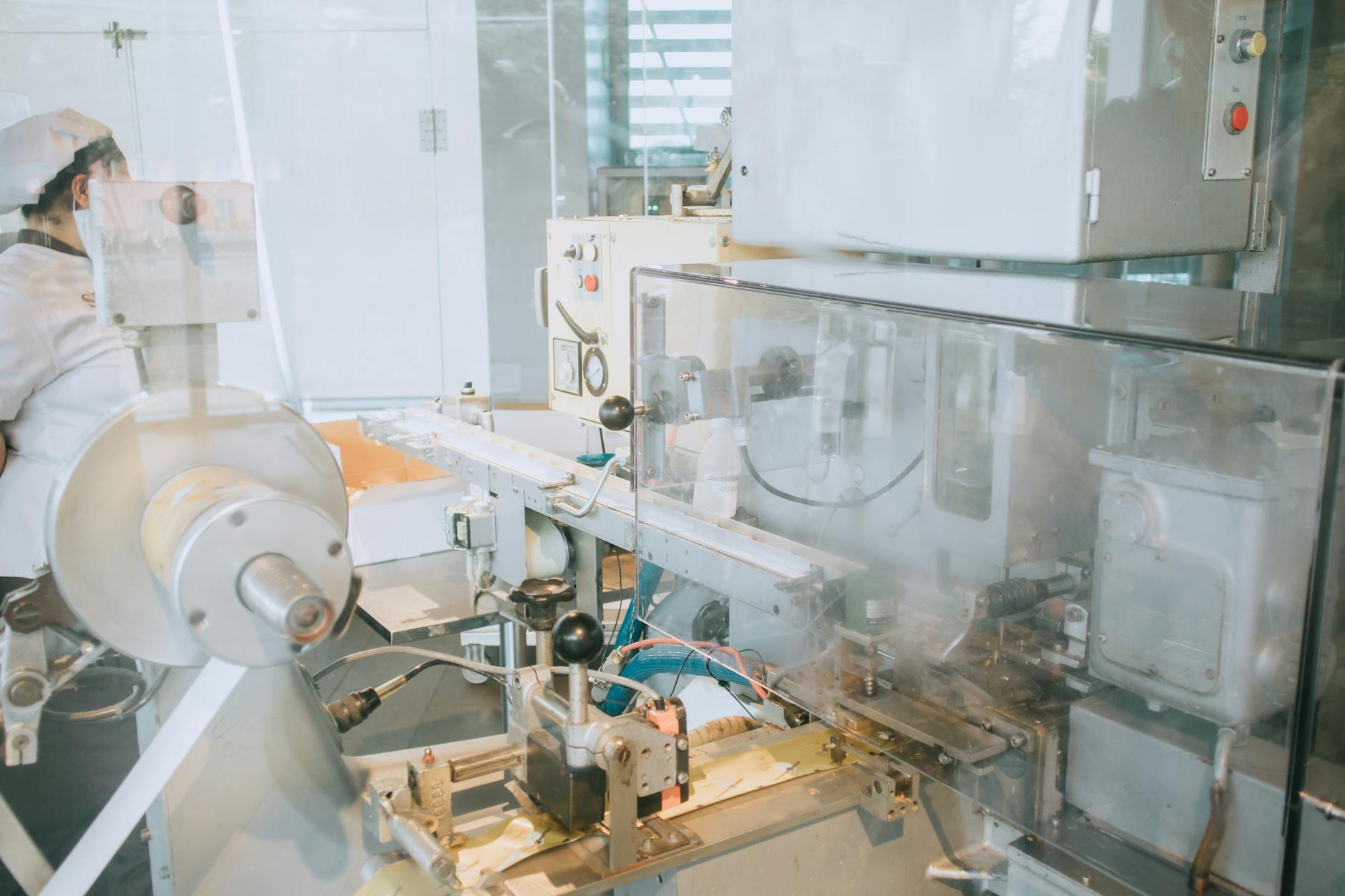
The first products at scale on N2 will be Apple's A20/A20 Pro silicon for the iPhone 18 (Q3 2026 launch), Nvidia's Rubin Ultra AI accelerator (already taped out, sampling in late June), and AMD's Zen 6 desktop and EPYC lines (Q4 2026). The geopolitical subtext: TSMC's Arizona facility is not yet producing N2 — that's Q3 2027 at earliest — so for at least 18 months, the world's most advanced AI training silicon is single-sourced from one industrial park in northern Taiwan. The strategic implications are unchanged but the timelines have tightened.
Samsung's HBM4 ramp closes the gap with SK Hynix
Samsung Electronics held a closed-door investor briefing on 19 May at which the HBM4 production roadmap was clarified. Mass production starts in early Q3 2026, qualification samples are now shipping to Nvidia (the critical customer SK Hynix has dominated for HBM3 and HBM3e), and the per-stack capacity is 48GB versus SK Hynix's 36GB.
If Samsung's qualification cycle with Nvidia goes cleanly, the dual-source dynamic returns to the high-bandwidth memory market by year-end — a meaningful change after eighteen months of SK Hynix near-monopoly on the most-profitable memory segment in the industry. Capital implications: SK Hynix's premium valuation on HBM exposure compresses; Samsung's memory margins expand from depressed levels.
The consumer-side knock-on: AI training capex through 2027 looks less likely to be bottlenecked by memory supply. The H100 / B200 / Rubin-cycle constraints have been increasingly about memory, not the GPU silicon itself.
Sony, Nintendo, and the unexpected China gaming hardware shift
The Switch 2 lifetime sales figure reached 24 million units worldwide as of mid-May, against Nintendo's initial conservative forecast of 18 million for the launch year. The interesting data point is the regional split: greater China share is 16 per cent of total — meaningfully higher than the Switch 1's 4 per cent over its lifetime. The proximate cause is the formal Switch 2 launch via the Tencent partnership in mainland China in February, plus the continued tolerance of grey-market import devices in the same market.
Sony's PlayStation 5 Pro shipments crossed 8 million in early May. The PS6 development cycle, per AMD's investor day commentary on 14 May, is targeting late 2027 with custom silicon based on an evolution of Zen 6 and a derivative of RDNA 5.
For consumers in East Asia: this is the unusual year in which both major console families ship a refreshed flagship into a still-warm install base, while Steam-on-handheld continues to chip away at the dedicated-console market. The expected price floor for a new top-tier handheld gaming device in Tokyo or Seoul by end-2026 is approximately ¥85,000 / ₩720,000 — same as 2024 in nominal terms, meaningful real-price drops once inflation in both currencies is factored.
Xiaomi's car business reports its first quarterly operating profit
Xiaomi disclosed in its Q1 2026 results released 21 May that the EV business unit posted an operating profit of ¥218 million on revenue of ¥18.4 billion, against operating losses every quarter since the launch of the SU7 in March 2024. The path to profitability hit at approximately 145,000 quarterly deliveries — significantly faster than analyst consensus, which expected the breakeven point at 180,000 units.
The downstream signal for the broader Chinese EV sector: the consolidation phase that BYD, NIO, XPeng and Li Auto have been gradually surviving may now also accept Xiaomi as a fifth survivor of scale. The shake-out among the second-tier players (Voyah, Avita, Aito) is increasingly looking like the end of 2026 story. The export-focused Chinese EV play (BYD into Europe, Geely-Volvo into the US through Polestar, Chery into Latin America) is the next chapter.
Korean fab equipment makers and the quiet boom
Park Systems, Wonik IPS, and Eugene Technology — the three mid-cap Korean fab-equipment names — have collectively gained 28 per cent year-to-date on the KOSDAQ, driven by accelerating orders from TSMC, Samsung Foundry, and the new Rapidus facility in Hokkaido. The Korean equipment ecosystem is increasingly the second-source supplier to ASML, Applied Materials, and Tokyo Electron for the specialised steps below 5nm.
For investors in the region: the Korean fab-equipment basket is now a leveraged play on advanced-node capex globally, similar to the Taiwanese substrate makers (Unimicron, Kinsus) and the Japanese photoresist majors (TOK, Shin-Etsu Chemical). The cycle is structurally extended through 2028 unless the AI capex outlook breaks.
What I am watching next week
Nvidia's earnings on 28 May, which will provide the first hard data on whether the AI capex cycle has plateaued or continues. ByteDance's anticipated AI chip self-design announcement, expected in early June, which would mark another major customer leaving the Nvidia ecosystem. Apple's WWDC keynote on 9 June, where Vision Pro 2 specifications and on-device AI roadmap will set the consumer device direction through 2027.
East Asian tech this week has been less about surprise and more about the gradual confirmation of trajectories analysts had broadly identified at the start of the year. The story remains TSMC's continued lead, Samsung's memory recovery, China's EV consolidation winners, and the steady quiet boom of the Korean equipment names. None of it is novel. All of it is consequential.