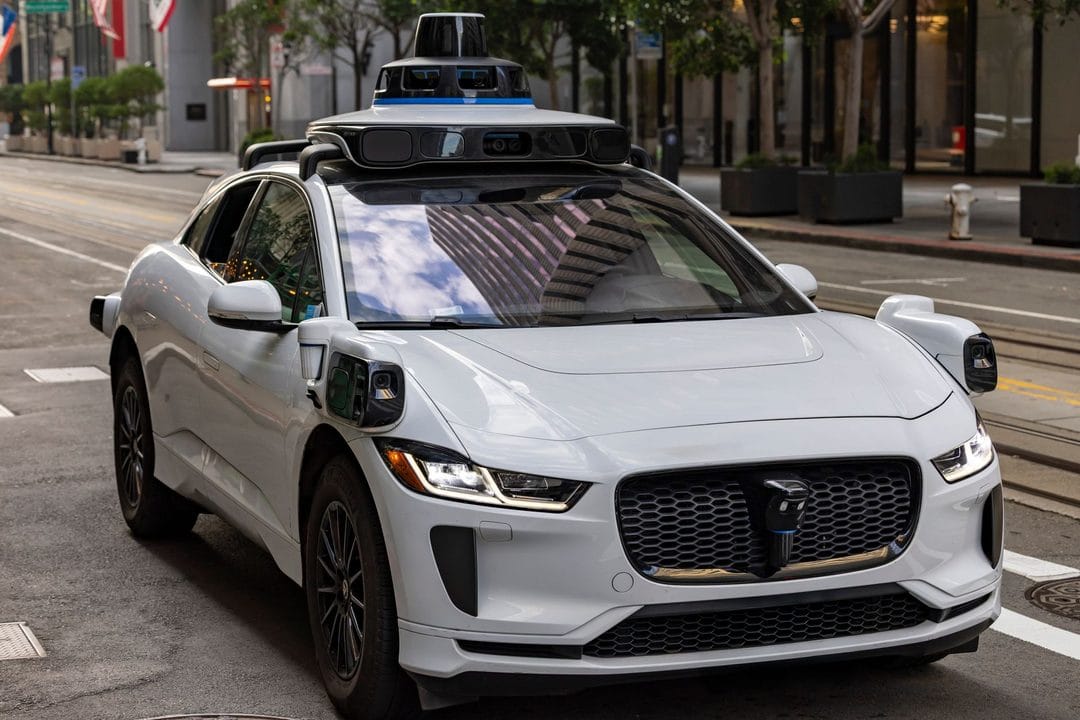
China's robotaxi operators expanded driverless services to more cities in mid-June 2026, accelerating a rollout that has put the country ahead of most rivals in commercial autonomous ride-hailing. Baidu's Apollo Go and Pony.ai both reported broader operating zones and longer service hours, while regulators in several municipalities approved fresh permits for fully driverless fleets.
The expansion comes as operators push to lower the cost per vehicle and move toward profitability after years of heavy spending. Baidu has said its latest-generation robotaxi carries a substantially lower hardware cost than earlier models, a shift the company has framed as central to scaling the business.
From pilots to paid fares
Driverless ride-hailing in China has moved beyond limited trials in designated zones. Services now operate across larger areas of cities including Wuhan, Beijing and Guangzhou, with fares charged to passengers and no safety driver in the vehicle in approved zones. The pace contrasts with the United States, where Waymo has expanded steadily but operators have faced a patchwork of state and city rules.
Pony.ai and WeRide, both of which have pursued public listings, have positioned fleet expansion as the path to scale. Both companies have also signed agreements with ride-hailing platforms to integrate robotaxis into existing apps, allowing users to be matched with a driverless car alongside conventional rides.
Cost, hardware and the supply chain
Lowering the bill of materials has become the central engineering and commercial challenge. Early robotaxis relied on expensive sensor stacks dominated by lidar, and operators have worked to bring those costs down through higher-volume domestic suppliers and tighter integration of sensors and compute.
Chinese lidar makers such as Hesai and RoboSense have scaled production, helping reduce unit prices that once ran into the tens of thousands of dollars per vehicle. Domestic computing platforms and the broader electric-vehicle supply chain have given operators a manufacturing base that keeps costs below those of many overseas competitors.
Regulation and the road ahead
Local governments have played a decisive role, designating operating zones, issuing permits and setting the conditions under which driverless vehicles can carry paying passengers. That municipal-led approach has allowed rapid expansion in supportive cities, though rules still vary considerably from one jurisdiction to the next.
Questions remain over insurance, liability in the event of collisions, and the effect on professional drivers, an issue that has drawn public attention in cities where robotaxis compete directly with human-driven taxis. Operators have generally avoided publishing detailed safety data, and independent verification of performance remains limited.
Separately, several operators have signalled interest in markets outside China, including the Middle East and parts of Southeast Asia, where partnerships with local firms could open new operating zones. Whether the cost structure that works at home can be replicated abroad remains an open question as the sector moves from demonstration to everyday service.