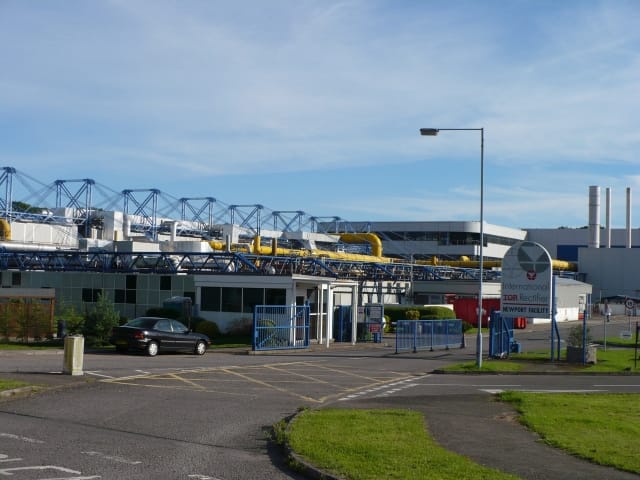
TSMC's Arizona Fab 3 began first volume 2 nm wafer production on 12 May 2026, two quarters ahead of the revised schedule that the company quietly issued after the 2024 staffing crisis. Output is currently around 8,000 wafer-starts per month, ramping toward a 25,000-wafer steady state by Q4. Three customers have been confirmed: Apple (mobile SoC), AMD (compute) and a third party widely believed to be the US Department of Defense's Trusted Foundry programme, though TSMC will neither confirm nor deny.
Why Hsinchu is unhappy
Inside TSMC, the Arizona ramp has produced a quiet but consistent management tension. The Hsinchu HQ has long argued that leading-edge production should remain concentrated in Taiwan for both efficiency and strategic reasons — the trained engineer base, the supplier ecosystem within a 90-minute drive of the Hsinchu campus, and the implicit "silicon shield" the cluster has provided to Taiwan's security posture. The Arizona ramp dilutes all three.
The May 2026 board meeting reportedly produced a directive that no further leading-edge generation (1.4 nm and beyond) will be transferred to overseas fabs without a board supermajority. Whether that holds is another question — the political pressure from Washington, particularly under the second Trump administration's CHIPS 2 negotiating posture, has been consistent.
What the Korean memory industry is watching
The specific Korean concern is not the foundry side. Samsung's foundry business is two generations behind TSMC and will not catch up in this cycle. The concern is HBM (high-bandwidth memory). TSMC's Arizona fab is co-located with a planned advanced packaging facility — the CoWoS line — that will integrate HBM directly with TSMC's logic dies. Currently, that HBM is supplied by SK Hynix and Samsung from Korean fabs. The geography of that supply chain has been the basis of Korea's leverage in the broader Pacific semiconductor architecture.
If the Pentagon's Trusted Foundry programme ramps in Arizona over the next 24 months, there will be sustained pressure to source HBM from US fabs — and Micron's Idaho HBM fab is the only credible US-domestic option. Micron is currently behind both Korean memory leaders on HBM4 generation by approximately 18 months. The political and supply-chain question of the next two years is whether the US government accepts that gap or actively closes it through procurement preference and direct subsidies — at the expense of Korean memory volumes.
What to watch in the next quarter
Three signals. First, TSMC's July Q2 results call, where Arizona ramp economics will be disclosed for the first time. Second, Samsung's Pyeongtaek HBM4 qualification milestones — currently slipping behind SK Hynix. Third, the Commerce Department's next CHIPS Act award tranche, expected June 2026, which may include direct Micron support for accelerated HBM packaging.