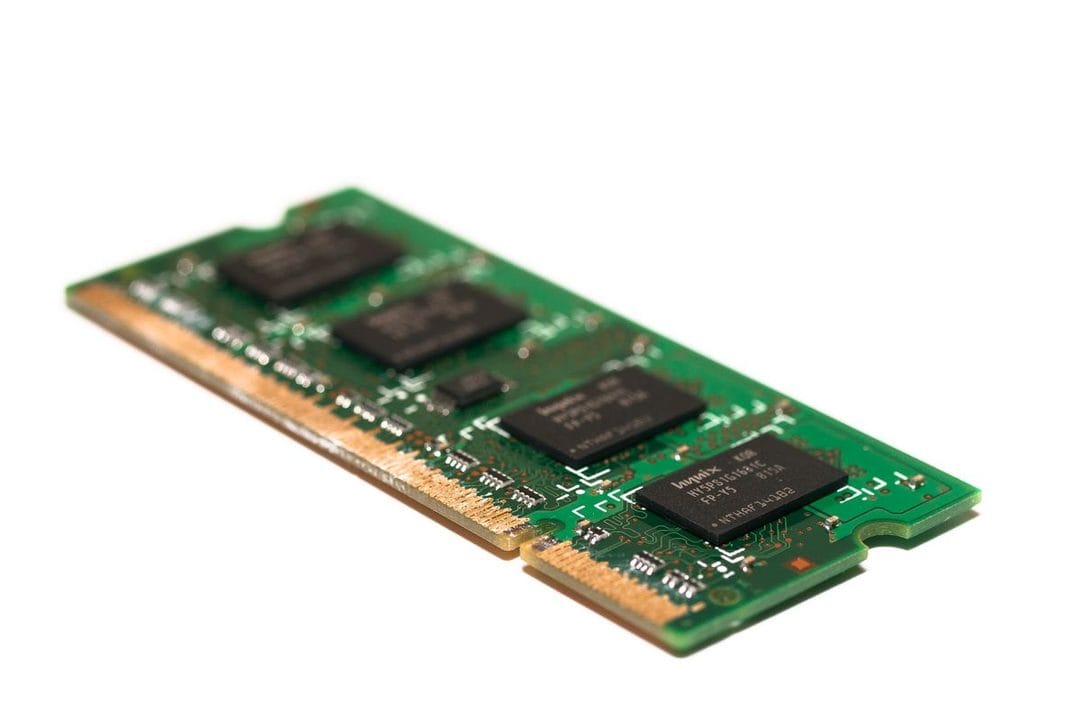
Kioxia Holdings has raised prices on its NAND flash memory products for the second time in 2026, citing sustained demand from data center operators expanding storage capacity for AI training and inference workloads. The increase, confirmed by the Japanese memory maker to distributors and OEM customers in mid-August, applies across enterprise SSD and consumer flash product lines. It follows comparable price actions from South Korean rivals SK Hynix and Samsung Electronics earlier this year, as the broader memory market tightens on constrained fab capacity growth.
Supply Tightens as AI Workloads Scale
The price move reflects a shift that has been building since late 2025: hyperscalers and cloud providers across the United States and Asia have been signing multi-year supply agreements for high-capacity SSDs, locking in volume ahead of expected shortages. According to Kioxia, fab utilization at its Yokkaichi and Kitakami facilities in Japan — run jointly with Western Digital — remains near capacity, leaving limited room to absorb additional order volume without further price adjustments.
Industry distributors describe the increases as landing in the low-double-digit percentage range for large-capacity enterprise drives, with smaller consumer-facing products seeing comparatively modest adjustments. That pattern mirrors what happened with DRAM pricing over the past year, when AI server demand pulled memory away from PC and smartphone makers and pushed contract prices higher across the board.
Regional Ripple Effects
The increase carries particular weight for East Asia's electronics supply chain, where NAND flash feeds everything from smartphones assembled in China and Vietnam to servers built in Taiwan for export to US cloud operators. In the region, contract manufacturers have already begun passing higher component costs into their own pricing negotiations for the fourth quarter, according to procurement sources cited by Japanese trade press.
Separately, Kioxia's Korean and Taiwanese competitors face a similar calculus. SK Hynix has prioritized HBM production capacity for AI accelerators over standard NAND lines, tightening flash supply further, while Samsung Electronics has signaled it will match rather than undercut the latest round of price increases rather than compete for share on cost.
What Comes Next
Analysts tracking the memory sector expect the current pricing cycle to extend at least through the first half of 2027, barring a sudden slowdown in AI infrastructure spending. Due in the coming weeks, Kioxia's next earnings update should offer a clearer picture of how much of the current demand surge is contracted versus spot-market driven — a distinction that will shape how long the higher prices hold.