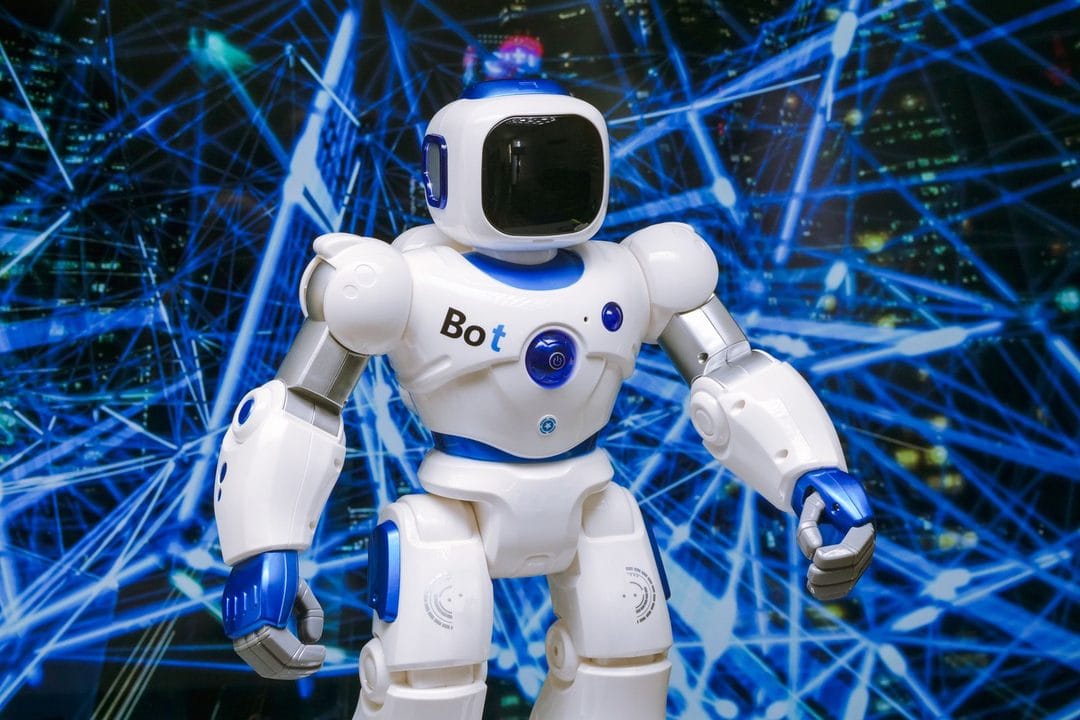
Humanoid robot makers across China and South Korea are moving from demonstration units to paid factory pilots in 2026, intensifying a regional race that has drawn in electronics, automotive and logistics companies. Hangzhou-based Unitree, known for its G1 and H1 humanoid platforms, has expanded manufacturing partnerships beyond its earlier consumer-facing quadruped robots, while Shenzhen's UBTech, listed on the Hong Kong Stock Exchange since 2023, has placed its Walker S humanoid in pilot programmes with automakers including Foxconn's electric-vehicle assembly lines.
South Korea's push centres on Hyundai Motor Group, which acquired Boston Dynamics in 2021 and has continued funding development of the Atlas platform alongside its own domestic robotics investments. Hyundai has also taken a stake in Rainbow Robotics, a KAIST spin-off that Samsung Electronics separately invested in during 2023, giving both conglomerates exposure to the same domestic humanoid supplier.
Warehouse floors, not living rooms
The commercial pitch in both countries centres on warehouse and light-assembly tasks rather than the household-helper use case long promised in robotics marketing. Battery life, still commonly under two hours of continuous operation for most humanoid platforms, and per-unit costs that remain far above industrial arm robots have kept deployments limited to controlled pilot lines rather than open factory floors.
China's provincial governments have added policy support on top of corporate investment. Beijing and Shanghai have both designated humanoid robotics as a strategic manufacturing priority in recent industrial plans, following the pattern set earlier for electric vehicles and batteries, with local subsidies aimed at component suppliers for actuators and reduction gears rather than at the assemblers themselves.
Japan's more cautious bet
Japan's approach has been comparatively cautious. Honda ended its ASIMO programme in 2018 and has not returned to humanoid hardware at the same scale, instead folding the research into its broader mobility division. Toyota's robotics arm has focused on partial exoskeletons and warehouse logistics units rather than general-purpose bipedal robots, a narrower bet than the platforms coming out of Hangzhou and Shenzhen.
Supply-chain analysts tracking the sector point to precision reduction gears and high-torque actuators, components historically dominated by Japanese suppliers including Harmonic Drive and Nabtesco, as a bottleneck that could shape which country's humanoid makers scale fastest, regardless of which company builds the most convincing demonstration video.
Funding has outpaced regulation
Investment has followed the pilots closely. Unitree closed a funding round in early 2024 backed by a mix of Chinese state-linked funds and private venture investors, part of a broader wave of capital chasing humanoid platforms across the mainland's robotics sector. Regulators have not moved as quickly: neither China's Ministry of Industry and Information Technology nor South Korea's equivalent agencies have finalised safety-certification standards specific to humanoid robots working alongside human employees on a shop floor, leaving individual manufacturers to negotiate liability terms directly with the automakers and electronics firms hosting the pilots.