Hyundai and Kia EV Sales Jump 43% as New Models Hit Global Markets
Korean EVs Gain Global Traction
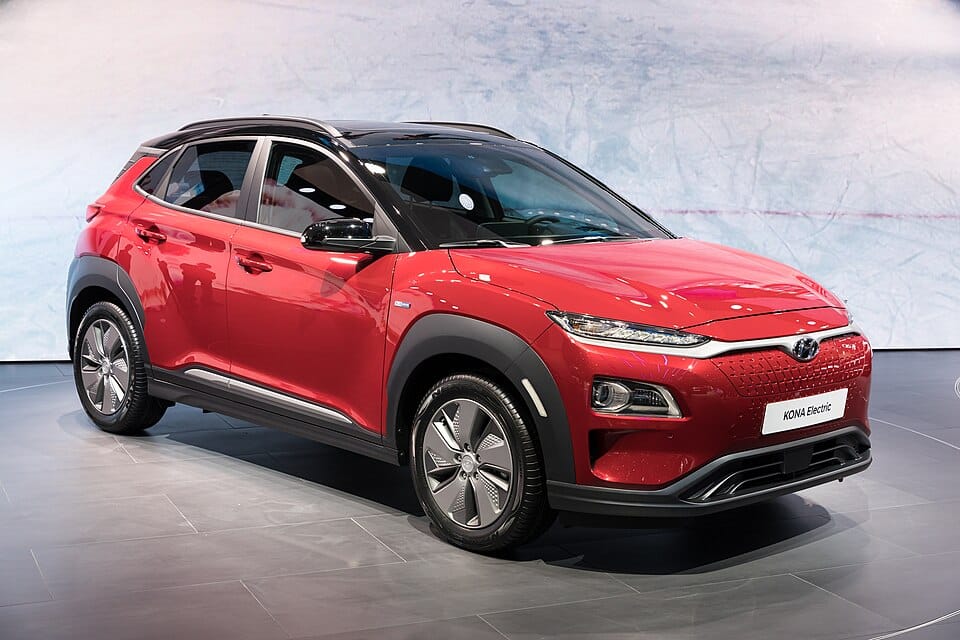
Hyundai Motor Group has reported 287,000 battery electric vehicle sales in Q3 2025, a 43% increase from the same period last year. The result makes the Korean automaker the third-largest EV seller globally behind BYD and Tesla, and the largest non-Chinese EV manufacturer by volume.
The growth was led by the refreshed Ioniq 5, which added a longer-range 84 kWh battery and received a mid-cycle design update. Hyundai sold 82,000 units of the Ioniq 5 during the quarter, with Europe accounting for nearly half of those deliveries.
Kia EV3 Opens New Segment
The biggest contributor to the sales jump was the Kia EV3, a compact crossover that launched in July with a starting price of $30,700 in the United States and €36,000 in Europe. The EV3 sold 54,000 units in its first full quarter, exceeding Kia's internal forecasts by 35%.
Kia president Ho-sung Song said the EV3 "proves that affordable EVs don't require compromises." The vehicle offers a 311-mile EPA range from its 81.4 kWh battery, 800V fast charging architecture, and an interior that reviewers have praised for exceeding its price point.
European Market Strategy
Europe has become Hyundai Motor Group's strongest EV market. The group holds a combined 14.7% share of European BEV registrations, second only to Tesla. New EU CO2 emission standards taking effect in 2025 have incentivized European consumers to switch to EVs, benefiting manufacturers with competitive electric offerings.
The group is also investing in local production. Its Czech Republic factory will begin EV production in 2026, and Kia's Slovakia plant is adding an EV production line. Local manufacturing helps avoid potential EU tariffs on imported vehicles and reduces logistics costs.
Challenges Ahead
Despite the strong quarter, Hyundai Motor Group faces pressure from Chinese competitors entering its key markets. BYD's Atto 3 and Seal models are gaining share in Europe, while in Southeast Asia — where Hyundai has invested heavily — Chinese brands hold over 60% of the EV market.
Hyundai Motor Group CFO Lee Seung-jo said the company "will not compete on price alone" and will instead emphasize technology differentiation, particularly its 800V charging capability and upcoming solid-state battery integration planned for 2028.