JAXA's H3 Rocket Completes Third Successful Launch, Wins Commercial Contracts
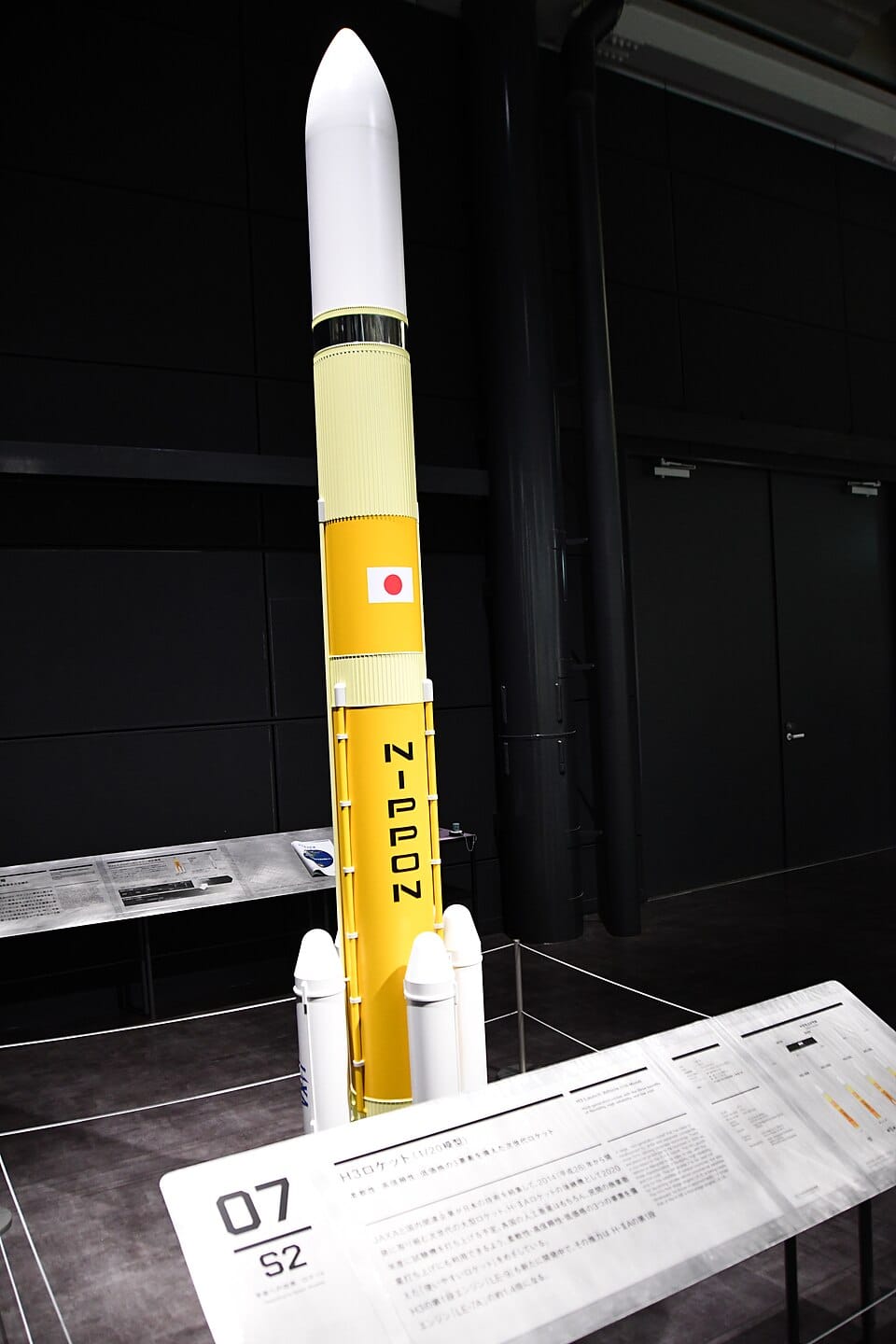
H3 Builds Momentum After Rocky Start
Japan Aerospace Exploration Agency's H3 rocket has completed its third consecutive successful launch from the Tanegashima Space Center, deploying an Earth observation satellite to a sun-synchronous orbit. The mission marks a turning point for the rocket, which suffered a high-profile failure during its inaugural flight in March 2023.
JAXA president Hiroshi Yamakawa said the three successes "demonstrate the reliability that commercial customers require." He confirmed that the H3's second-stage engine issue that caused the 2023 failure has been fully resolved through a redesigned turbopump and enhanced quality control processes.
Commercial Contracts Secured
Mitsubishi Heavy Industries, which manufactures and operates the H3, announced launch service contracts with Inmarsat for a GEO communications satellite and SKY Perfect JSAT for a broadcasting satellite. Both launches are scheduled for 2027.
The H3 is priced at approximately $50 million per launch — less than half the cost of its predecessor, the H-IIA, and competitive with SpaceX's Falcon 9 for medium-payload missions. MHI sales director Kentaro Oda said pricing was "a deliberate strategy to make Japanese launch services globally competitive."
Technical Capabilities
The H3 can deliver 6.5 tonnes to geostationary transfer orbit or over 4 tonnes to sun-synchronous orbit, covering most commercial satellite deployment needs. The rocket uses a new LE-9 main engine that employs an expander bleed cycle for improved reliability and lower cost.
A future configuration with strap-on solid rocket boosters will increase GTO capacity to approximately 7.9 tonnes, expanding the rocket's addressable market to heavier telecommunications satellites.
Japan's Launch Ambitions
Japan aims to grow its share of the global commercial launch market from approximately 3% to 10% by 2030. In addition to the H3, Japan has a growing private launch sector. Interstellar Technologies is developing the Zero orbital rocket, and Space One launched its Kairos rocket for the first time in 2024.
The government's space strategy allocates 1 trillion yen over five years to strengthen Japan's space industry, including launch vehicle development, satellite manufacturing, and ground infrastructure. Industry observers note that Japan's reliability record — the H-IIA achieved a 98% success rate over 48 launches — gives it credibility that newer entrants still need to establish.