KARI Engine Test Marks Progress
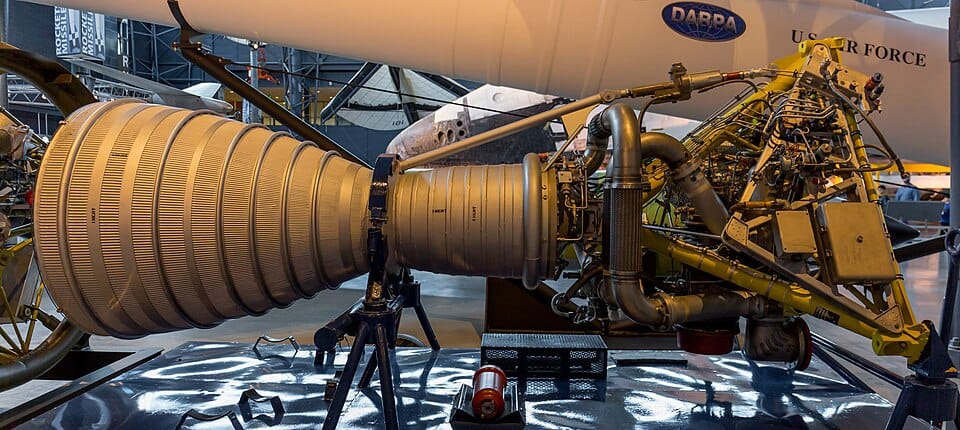
The Korea Aerospace Research Institute has successfully completed a 300-second test firing of a reusable liquid methane-liquid oxygen rocket engine at its Naro Space Center test facility. The engine, designated KRE-200, produced 200 tonnes of thrust and is designed for a next-generation Korean launch vehicle capable of competing with SpaceX's Falcon 9.
KARI president Lee Sang-ryool called the test "the most significant milestone for Korean space technology since the Nuri rocket's first successful launch." The Nuri (KSLV-II) rocket, which uses kerosene-fueled engines and is not reusable, successfully deployed satellites in 2023 and 2024.
Reusability Path
The KRE-200 engine is designed for multiple firings without major refurbishment. The test campaign will include re-firing the same engine at least five times to validate reusability. Methane fuel was chosen over kerosene specifically because it burns cleaner, reducing soot buildup in the engine and making reuse more practical.
The planned launch vehicle, tentatively called KSLV-III, would feature a first-stage booster with nine KRE-200 engines that lands vertically after separation — a concept directly inspired by SpaceX's Falcon 9 architecture. First flight is targeted for 2032.
Government Support
The South Korean government has committed 2.2 trillion won ($1.6 billion) to space launch vehicle development through 2035. The investment reflects Seoul's assessment that space launch capability is a strategic necessity, both for national security (military satellite deployment) and economic competitiveness (commercial launch services).
Science and ICT Minister Lee Jong-ho said "a nation that can launch its own satellites at will has a fundamentally different strategic position than one that depends on others. Reusable rockets make that capability affordable."
Private Sector Emerging
South Korea's private space sector is also growing. Innospace successfully launched its Hanbit-TLV suborbital rocket from Brazil in 2024 and is developing the Hanbit-Nano orbital launcher. Perigee Aerospace is testing a reusable sounding rocket. Both companies have received government contracts and private investment.
The global commercial launch market is dominated by SpaceX, which handles approximately 90% of global orbital mass launched. China's Long March and CASC rockets handle most of the remainder. Breaking into this market will require Korean launch vehicles to offer competitive pricing — currently targeted at $30 million per launch — and establish a reliability track record.