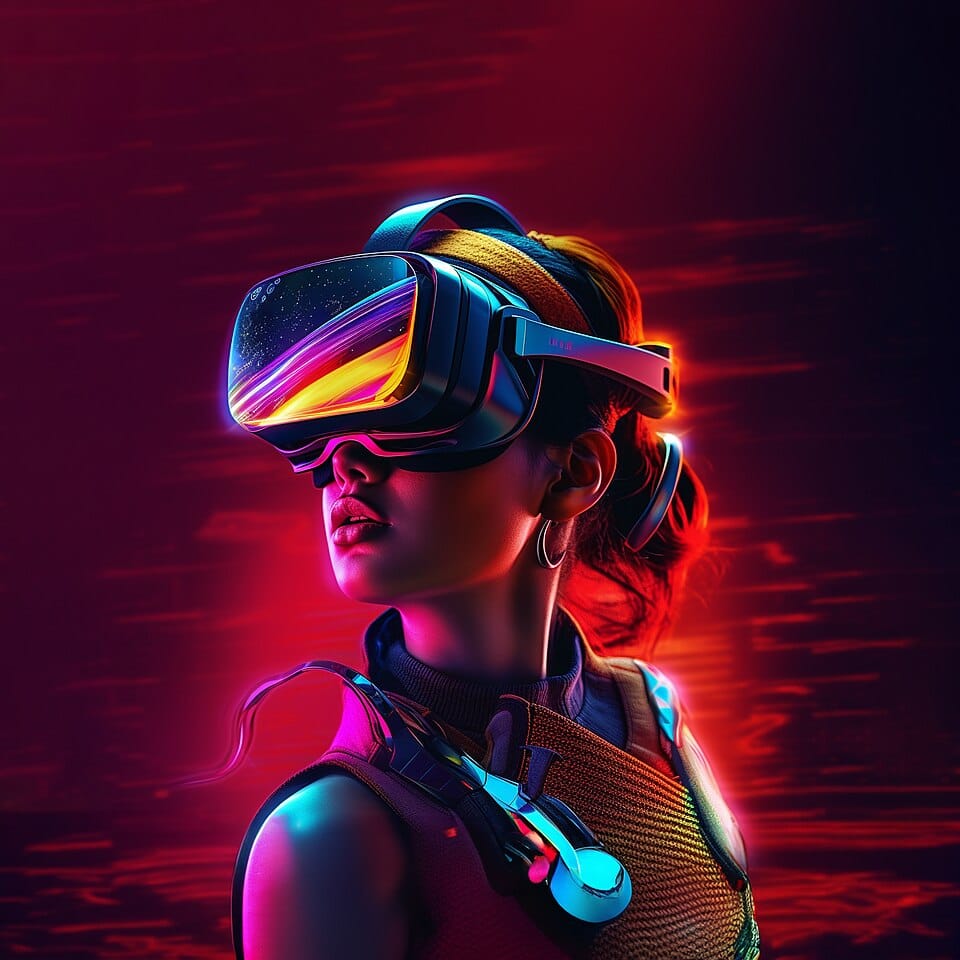
Samsung and Google Team Up for XR
Samsung Electronics and Google have officially unveiled their jointly developed mixed reality platform, featuring a new headset running the Android XR operating system. The device, called the Samsung Galaxy XR, will launch in the first half of 2026 at a target price of $1,299 — significantly less than Apple's $3,499 Vision Pro.
Samsung Mobile president TM Roh and Google senior VP Hiroshi Lockheimer presented the platform at a joint event in San Jose. "This partnership combines Samsung's display and hardware expertise with Google's AI and software capabilities to create an XR experience that is both powerful and accessible," Roh said.
Hardware Specifications
The Galaxy XR features dual micro-OLED displays from Samsung Display at 3,200 x 3,200 per eye with 3,000 PPI pixel density. The device uses a Qualcomm Snapdragon XR2+ Gen 3 processor with a dedicated AI accelerator. Four external cameras and two internal eye-tracking cameras enable full mixed reality passthrough and gaze-based interaction.
Weight is approximately 480 grams — lighter than Apple Vision Pro's 650 grams — with a 2.5-hour battery life. An external battery pack option extends usage to 5 hours.
Android XR Platform
Android XR is a purpose-built operating system that extends Android for spatial computing. It supports both immersive VR and see-through mixed reality modes. Google's Gemini AI is deeply integrated, enabling conversational control of the device and real-time visual understanding of the user's physical environment.
Google confirmed that Android XR apps will be compatible across devices from multiple manufacturers. Samsung is the launch partner, but LG and other OEMs are expected to release Android XR devices in 2027.
Market Positioning
At $1,299, the Galaxy XR is positioned between Meta's $499 Quest 3 and Apple's $3,499 Vision Pro. Samsung and Google are targeting both consumer entertainment (gaming, media) and enterprise applications (remote collaboration, training, design review).
IDC analyst Francisco Jeronimo said the partnership "creates a credible third platform in XR alongside Apple and Meta. The price point is right for early mainstream adoption, and Android XR's openness could attract developers faster than Apple's more controlled visionOS ecosystem."